Home remodeling is about more than just updating the look of your home—it’s an investment in comfort, functionality, and long-term value. Thoughtful renovations can transform outdated or inefficient spaces into functional areas that fit your lifestyle while enhancing the overall beauty of your property. From structural improvements to finishing touches, every detail matters when creating a home that is both practical and visually appealing.
This guide will walk you through the most important aspects of home remodeling, including strategies for planning, selecting materials, coordinating trades, and optimizing your property for long-term enjoyment.
1. Start With A Functional Assessment Of Your Home’s Weak Points

Before diving into any remodeling project, it’s essential to evaluate your home’s existing layout and functionality. Many homeowners focus solely on aesthetics, but effective remodeling starts with understanding the challenges in your current space.
Key steps for assessing functionality:
- Identify areas with limited storage or workflow inefficiencies.
- Observe how spaces are used daily, noting bottlenecks or awkward layouts.
- Determine which rooms require structural changes versus cosmetic updates.
- Prioritize areas based on usage, budget, and potential return on investment.
Partnering with professional home remodeling companies ensures a comprehensive evaluation. Experts can spot issues that might not be obvious, such as outdated electrical wiring, uneven flooring, or insufficient natural light. By addressing these functional weaknesses first, your remodeling project sets the foundation for a home that works for your lifestyle.
2. Plan Structural And Exterior Upgrades
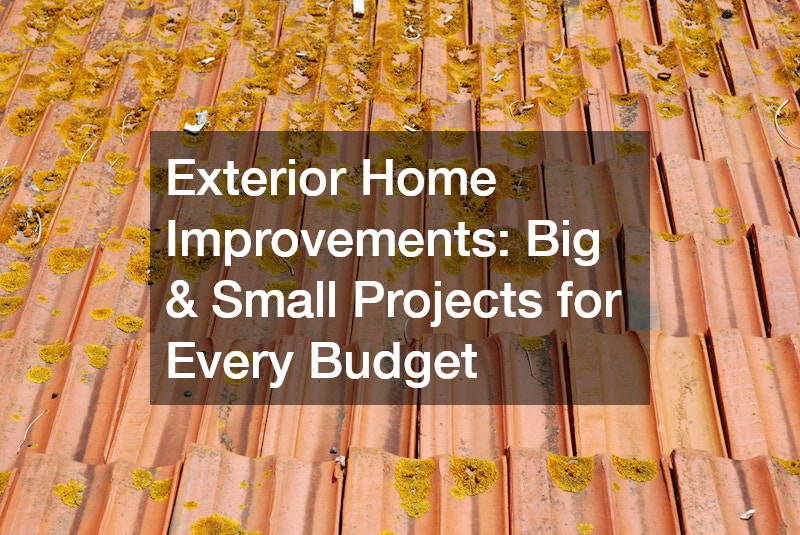
Structural and exterior improvements play a critical role in both functionality and curb appeal. The roof, siding, and exterior finishes not only protect your home but also influence energy efficiency and aesthetic value.
Tips for planning structural and exterior upgrades:
- Schedule inspections for roofing, siding, and foundation to identify necessary repairs.
- Work with custom roofers to explore options that complement your home’s design.
- Consider roof replacement when shingles, leaks, or structural damage compromise safety.
- Coordinate exterior improvements with other remodeling projects to minimize disruption.
Investing in high-quality roof replacement and structural upgrades now can prevent costly repairs in the future. Professionals can guide you in selecting materials that balance durability with style, ensuring your home remains both beautiful and secure.
3. Prepare Your Property Safely Before Major Renovations
Before any renovation begins, proper preparation and demolition are essential. Removing outdated materials safely prevents accidents and provides a clean slate for your remodel.
Demolition preparation tips:
- Determine which walls, cabinets, or fixtures need removal.
- Protect surrounding areas with temporary barriers and coverings.
- Hire a demolition company for safe handling of hazardous materials like asbestos or lead paint.
- Consider a professional demolition service to reduce the risk of structural damage.
Working with professionals ensures demolition is completed efficiently and safely, creating a smoother transition to the next phases of your remodeling project.
4. Expand Outdoor Living Spaces

Outdoor spaces are an extension of your home and can significantly enhance both function and beauty. Thoughtful design maximizes usability while complementing the overall aesthetic.
Ways to enhance outdoor areas:
- Build or upgrade patios, decks, and seating areas for entertaining.
- Hire pool builders to create customized, safe, and attractive pools.
- Improve accessibility and curb appeal with driveway paving companies.
- Incorporate landscaping and lighting to integrate outdoor spaces with your home.
Investing in outdoor projects not only increases enjoyment but also boosts property value. Coordinating landscaping, paving, and pool construction ensures your exterior remodel is cohesive and long-lasting.
5. Strengthen Durability And Visual Appeal With Masonry And Finishes
Finishes and structural accents can transform the look and longevity of your home. High-quality masonry and painting elevate aesthetics while providing durability.
Key areas for attention:
- Use stone or brick features to enhance walls, fireplaces, and outdoor elements.
- Hire a local masonry service to ensure precise, long-lasting installation.
- Update interior and exterior surfaces with a residential painting service.
- Choose finishes that resist wear and complement your home’s color scheme.
Well-executed masonry and painting work enhance visual appeal and help maintain your home’s structural integrity, ensuring your remodel remains attractive for years.
6. Upgrade Kitchens And Bathrooms
Kitchens and bathrooms are often the most used and valued spaces in a home. Updating these areas can improve daily functionality and increase resale value.
Renovation strategies:
- Maximize storage with custom cabinetry and smart shelving.
- Upgrade appliances and fixtures for efficiency and modern appeal.
- Incorporate durable surfaces like quartz countertops and tile flooring.
- Work with home remodeling companies to ensure plumbing and electrical systems are updated safely.
Functional, stylish kitchens and bathrooms elevate the overall experience of your home while providing long-term value.
7. Enhance Flooring And Interior Finishes
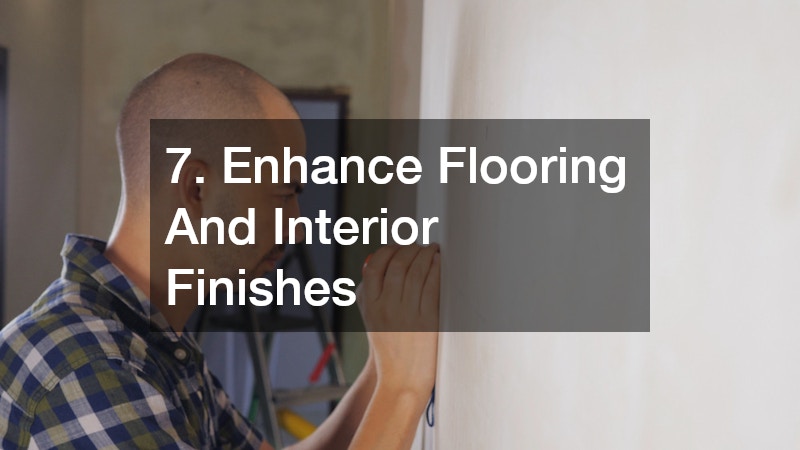
Flooring and interior finishes play a critical role in defining the character and atmosphere of each room in your home. The materials you choose affect not only the visual appeal but also the durability, comfort, and overall functionality of your space. Thoughtful selection of flooring and finishes ensures that every room is cohesive with the rest of the home, while also withstanding the demands of daily use.
Flooring and finishing tips for a successful remodel:
- Evaluate high-traffic areas and select durable materials: In spaces like kitchens, hallways, and living rooms, choose flooring that can withstand heavy foot traffic and resist scratches, moisture, and wear. Options like hardwood, tile, and luxury vinyl offer long-lasting durability while enhancing the aesthetic appeal of the room.
- Consider consistent flooring to create flow between spaces: Using a uniform flooring material throughout adjacent rooms can visually expand your home and create a sense of continuity. Even when switching materials, ensure that transitions are smooth and that colors or textures complement one another.
- Use trims, moldings, and color accents to enhance visual appeal: Baseboards, crown molding, and decorative trims add dimension and sophistication to your interiors. Coordinating paint colors, finishes, and accent details ensures each room feels thoughtfully designed and visually cohesive.
- Coordinate with home remodeling companies to maintain style and quality standards: Professional guidance ensures that all selections align with your overall design vision. Experienced remodeling companies can recommend materials, finishes, and installation techniques that enhance performance, durability, and aesthetic harmony.
8. Improve Home Systems And Energy Efficiency
Updating home systems during remodeling is a crucial step in creating a home that is not only visually appealing but also highly efficient and cost-effective to maintain. Many homeowners focus solely on cosmetic updates, overlooking the importance of modernizing the underlying systems that support daily comfort and energy performance. By addressing structural and system improvements together, you can ensure that all elements of your home work harmoniously for optimal functionality, safety, and long-term savings.
Key areas to focus on during system upgrades:
- Inspect and update heating, cooling, and insulation systems: Older HVAC systems often operate inefficiently, increasing energy costs and reducing comfort. During remodeling, consider replacing outdated units, sealing ductwork, and upgrading insulation to modern standards. A properly balanced system helps maintain consistent temperatures, reduces utility bills, and extends the life of your heating and cooling equipment.
- Address roofing issues with roof replacement when necessary: The roof is a critical component of energy efficiency and overall home protection. Roof replacement not only resolves leaks and structural concerns but also improves insulation and ventilation, reducing energy consumption and preventing costly water damage.
- Upgrade windows and doors to improve energy efficiency: Replacing single-pane windows or drafty doors with energy-efficient alternatives can significantly reduce heating and cooling costs. Modern materials and weatherproofing techniques help maintain indoor comfort while enhancing security and aesthetic appeal.
- Incorporate energy-efficient lighting and appliances: LED lighting, programmable thermostats, and Energy Star-rated appliances reduce energy consumption while maintaining functionality and convenience. Upgrading these components during remodeling ensures long-term savings and modern performance.
Integrating these system improvements during a remodel ensures that your home is more comfortable, efficient, and environmentally friendly. By addressing both structural and operational elements simultaneously, homeowners can avoid costly retrofits later, achieve cohesive functionality, and enjoy a home that performs as beautifully as it looks. Planning these updates in conjunction with design elements ensures that your investment maximizes value, efficiency, and comfort for years to come.
9. Plan For Maintenance And Longevity
Remodeling is a significant investment, and thoughtful planning for ongoing maintenance is critical to protect that investment and extend the life of your upgrades. Homes that are remodeled without consideration for future upkeep can quickly accumulate repair issues, reducing the overall value and comfort of the space. By integrating maintenance-focused strategies into every stage of the remodel—from initial planning and demolition to installation and finishing—you ensure that your home remains both functional and attractive for years to come.
Maintenance-focused strategies for long-lasting results:
- Choose durable, low-maintenance materials whenever possible: Selecting high-quality flooring, cabinetry, countertops, and exterior materials reduces wear and tear over time. Materials that resist moisture, stains, and heavy usage minimize the need for frequent repairs or replacements, keeping your remodel looking fresh and performing reliably.
- Document all demolition and structural changes for future reference: Detailed records of modifications, including diagrams, photos, and receipts, are invaluable when performing future repairs, upgrades, or inspections. Proper documentation allows contractors to understand previous work, preventing mistakes and unnecessary work when maintenance or further remodeling is required.
- Schedule periodic inspections to maintain system and structural integrity: Routine evaluations of plumbing, electrical, HVAC, roofing, and foundation systems help identify potential issues early. Catching minor problems before they escalate can save significant time, money, and stress.
- Coordinate with demolition service professionals for safe updates when needed: If additional renovations are required in the future, working with trained demolition professionals ensures that updates are conducted safely without damaging existing structures or materials.
By planning for maintenance from the outset, homeowners can protect their investment and preserve the aesthetic appeal and functionality of remodeled spaces. A proactive approach minimizes unexpected repairs, reduces long-term costs, and enhances the overall lifespan of the improvements. Ultimately, homes that are thoughtfully maintained after remodeling not only retain their value but also continue to provide comfort, beauty, and efficiency for many years, making the initial investment even more worthwhile.
10. Coordinate With Trusted Professionals For Cohesive Results

A successful remodel requires coordination between multiple trades to achieve cohesive results. Working with trusted professionals not only ensures efficiency but also guarantees that each aspect of the project meets high-quality standards. In complex remodeling projects, multiple trades—such as carpentry, plumbing, electrical work, masonry, painting, and landscaping—often work simultaneously or in overlapping phases. Without proper planning and coordination, delays, miscommunications, and costly mistakes can easily occur, undermining the overall success of the remodel.
Coordination tips for a seamless remodel:
- Schedule work in logical sequences to reduce downtime and conflicts: Start with foundational or structural tasks, followed by rough-ins for plumbing and electrical systems, before moving to finishes and decorative elements. This sequence allows each trade to complete work without interference.
- Communicate regularly with contractors, builders, and suppliers: Weekly or biweekly progress meetings can ensure everyone is aware of timelines, responsibilities, and any changes. Clear communication prevents misunderstandings and keeps the project on track.
- Ensure designs are aligned across trades, from pool construction to paving: For example, grading and drainage for a pool should complement driveway placement and exterior landscaping. Coordinating these elements prevents costly adjustments later.
- Hire experienced pool builders and driveway paving companies for seamless integration: Skilled tradespeople understand how their work affects other aspects of the remodel and can adjust their approach accordingly. Their expertise ensures that installations meet both functional and aesthetic standards.
Additionally, maintaining a centralized project plan with clear documentation of designs, timelines, and responsibilities helps track progress and identify potential issues early. Using professional project managers or general contractors can further streamline coordination, acting as the point of contact for all trades and ensuring quality control throughout the remodel.
Proper coordination minimizes delays, reduces costs, and guarantees that every element of your remodel supports the overall design and functionality goals. When trades work together harmoniously, the finished home not only looks polished but also performs efficiently, creating a space that homeowners can enjoy for years to come.
Home remodeling is a multifaceted process that combines aesthetics, functionality, and long-term investment value. By carefully assessing your home, planning strategic upgrades, and working with experienced professionals, you can transform your living space into a comfortable, beautiful, and efficient environment. Whether updating interiors, expanding outdoor spaces, or improving structural elements, thoughtful remodeling enhances both the daily experience and long-term value of your property. With careful planning and attention to detail, every aspect of your remodel can contribute to a home that meets your lifestyle needs and reflects your personal style.