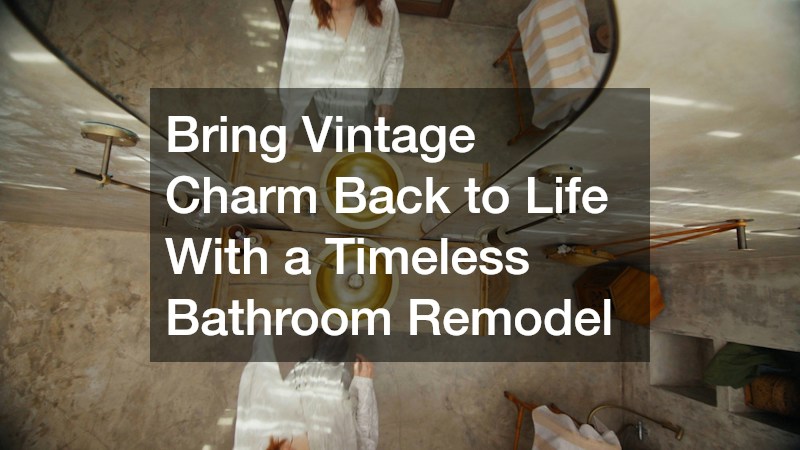
Vintage-inspired bathrooms have a distinctive character that modern designs sometimes struggle to recreate. Classic colors, traditional fixtures, decorative details, and timeless materials can create a bathroom that feels welcoming without appearing outdated. A successful vintage remodel does not require turning the entire room into a period replica. Instead, it combines nostalgic details with modern comfort, functionality, and durability. Whether you are refreshing a compact powder room or completely transforming a spacious primary bathroom, thoughtful design can bring old-fashioned charm into a contemporary home. The result can be a space that celebrates the past while still working beautifully for everyday life.
Begin With a Clear Vintage Design Direction
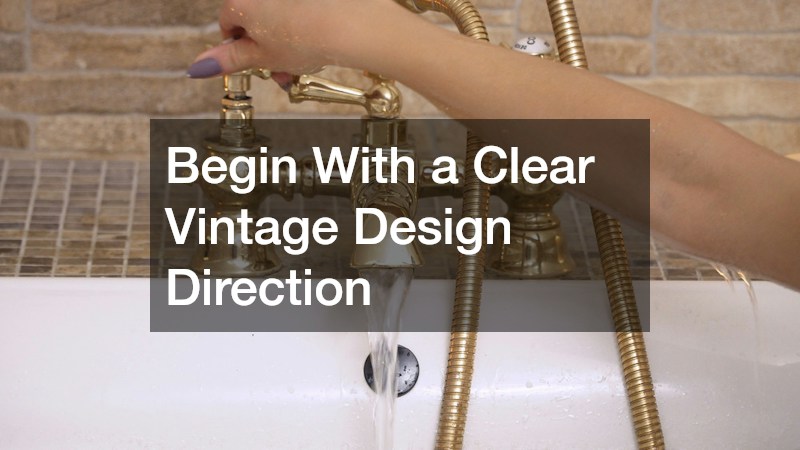
Before selecting fixtures and finishes, decide what kind of vintage character you want the bathroom to have. You might be drawn to the elegant details of the early twentieth century, the cheerful colors of a mid-century bathroom, or the understated appeal of traditional cottage design. Creating a consistent direction makes it easier to choose complementary materials instead of collecting unrelated vintage-inspired pieces. A remodeling company can help you consider the existing layout, architectural details, and practical requirements while developing a cohesive design. Look at the home’s overall character as well, because a bathroom that feels connected to the rest of the house will generally feel more natural. Once you have established the aesthetic, you can build the room around a few defining features and allow modern conveniences to blend quietly into the background.
Preserve Character While Improving Function
One of the most appealing aspects of a vintage bathroom is its sense of individuality. Older homes may have architectural details, unusual layouts, or original elements worth preserving when they remain in suitable condition. At the same time, an outdated bathroom may not provide the storage, accessibility, lighting, or convenience expected from a modern home. A bathroom remodeling contractor can help balance preservation with practical improvements throughout the renovation. Consider which elements deserve to remain visible and which areas would benefit from a modern update. You may be able to preserve a classic vanity or architectural feature while improving the surrounding space with updated plumbing, lighting, and storage. This approach allows the bathroom to retain its personality without sacrificing everyday usability.
Choose a Classic Vanity and Countertop
The vanity can become one of the strongest visual anchors in a vintage bathroom. Pedestal sinks offer a distinctly traditional appearance, while furniture-style vanities can provide additional storage without losing their classic character. Wood finishes, painted cabinetry, decorative hardware, and simple profiles can all contribute to the desired aesthetic. For the countertop, materials should complement the vanity without overpowering it. A countertop installer can help you evaluate suitable surfaces based on appearance, durability, maintenance, and the dimensions of the vanity. Light-colored stone, traditional tile, or other timeless surfaces can work well depending on the overall design. The goal is to create a combination that feels authentic to the vintage inspiration while still meeting the demands of a frequently used bathroom.
Bring Natural Light Into the Room
Natural light can make vintage colors, tile patterns, and decorative details more noticeable while making the bathroom feel more inviting. If the existing windows are old or inefficient, replacing them can improve the room without forcing you to abandon its traditional appearance. A window replacement service can help identify options that provide modern performance while maintaining an appropriate style for the home’s architecture. Consider window shapes, frame finishes, privacy glass, and decorative details when making selections. Frosted or textured glass can provide privacy while still allowing daylight into the room. Window treatments can then add another layer of personality without blocking the benefits of natural light. A well-designed window can become both a practical improvement and an important part of the room’s vintage character.
Use Drapery to Add Softness
Textiles can introduce warmth and personality to a bathroom filled with hard surfaces such as tile, porcelain, stone, and glass. Vintage-inspired drapery can frame a window while reinforcing the color palette and decorative style of the room. Depending on the design direction, you might choose subtle stripes, small floral patterns, traditional checks, or solid fabrics in muted tones. Window treatments should be selected with bathroom conditions in mind, particularly where humidity is common. The scale of the pattern also matters because overly large designs can overwhelm a smaller bathroom. When coordinated with towels, rugs, and other accessories, fabric can make the room feel softer and more complete. Even a small amount of textile detail can help bring a sense of nostalgia to an otherwise modernized bathroom.
Create a Shower With Timeless Appeal
A shower can combine contemporary convenience with classic design when its surrounding materials and hardware are carefully selected. Traditional tile patterns can provide vintage character, while modern fixtures can deliver the performance expected from a renovated bathroom. Glass can also help keep the room visually open, particularly when working with a smaller floor plan. Frameless glass shower doors offer a clean appearance that can complement both traditional and transitional designs without becoming a dominant visual element. Pairing clear glass with classic tile, polished hardware, or vintage-inspired fixtures can create an interesting balance between old and new. The key is to let the surrounding materials establish the vintage personality while using modern shower components to improve convenience and function.
Consider a Custom Shower Enclosure
Bathrooms with unusual dimensions, angled walls, or distinctive architectural features may benefit from a shower enclosure designed specifically for the space. A custom shower door company can help create an enclosure that works with the bathroom’s proportions while supporting the overall design. Customization can be particularly useful when you want to preserve an existing layout rather than changing the room’s footprint. Door styles, glass choices, hardware finishes, and opening configurations can all influence the finished appearance. Traditional hardware can reinforce a vintage aesthetic, while a simpler enclosure can keep the room feeling visually spacious. A carefully fitted enclosure can provide a polished finishing touch while making the shower easier to access and use.
Restore or Replace the Bathroom Flooring
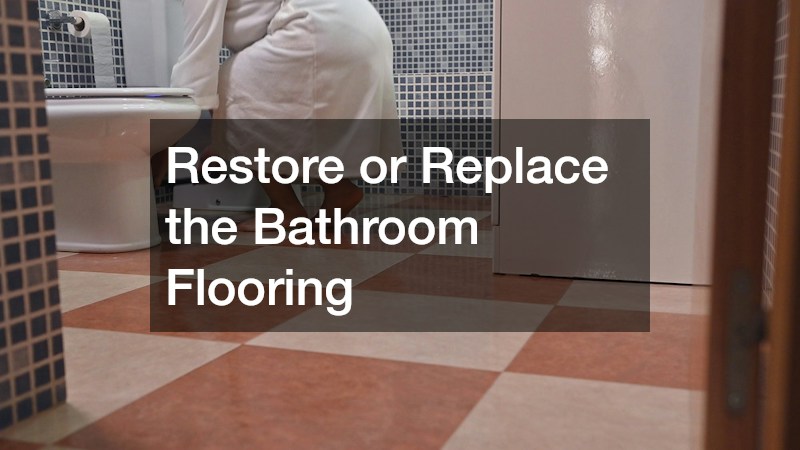
Flooring can establish the foundation of a vintage bathroom design. Small-format tile, checkerboard patterns, geometric layouts, and traditional neutral colors can all evoke different periods without looking excessively themed. If existing flooring has minor damage but retains desirable character, restoration may be worth considering before replacing it entirely. Flooring repair can address certain damaged areas while allowing attractive original materials to remain part of the bathroom. When replacement is necessary, choose a surface that balances historical character with durability and moisture resistance. The pattern should also work with the scale of the room and coordinate with wall tile, cabinetry, and fixtures. A well-selected floor can tie the entire vintage design together from the ground up.
Work With an Experienced Flooring Professional
Installing bathroom flooring requires careful attention to the condition of the underlying surface and the requirements of the selected material. Moisture, uneven areas, damaged subflooring, and transitions between rooms can all affect the finished result. A local flooring contractor can evaluate the existing conditions and help determine which materials and installation approaches make sense for the space. Professional installation can also help ensure that patterns are aligned and transitions are clean, particularly when using smaller tiles or intricate layouts. Vintage designs often depend on precise details, so uneven lines or poorly positioned patterns can detract from the intended appearance. Investing in careful flooring work can help the finished bathroom look polished and intentional.
Update Plumbing Without Losing Character
Modernizing the plumbing is often an important part of remodeling an older bathroom. Aging pipes, outdated connections, inefficient fixtures, and previous repairs may not align with the needs of a newly renovated space. Residential plumbing improvements can support updated sinks, toilets, showers, tubs, and other fixtures while helping the bathroom operate reliably. New plumbing does not have to be visible, either. Traditional-looking faucets, exposed-style fixtures, and classic hardware can provide the appearance of an older bathroom while benefiting from modern performance. When selecting fixtures, consider both their visual style and practical specifications. Coordinating plumbing improvements with the rest of the remodel can reduce the likelihood of having to disturb finished surfaces later.

Make a Classic Bathtub the Focal Point
A bathtub can instantly establish vintage character, particularly when the design incorporates a traditional silhouette. Freestanding tubs with curved profiles, claw-style feet, or simple painted exteriors can create a strong focal point without requiring excessive decoration. If space permits, position the tub where its shape can be appreciated from the bathroom entrance. Surrounding it with classic tile, understated shelving, or vintage-inspired accessories can reinforce the aesthetic. Modern fixtures can be selected in finishes that coordinate with the tub and other hardware throughout the room. A classic bathtub can also provide a comfortable alternative to the shower for homeowners who enjoy longer, more relaxing baths. By giving the tub enough visual space, you can allow one statement feature to define the room without overwhelming it.
Select Fixtures With Vintage Personality
Small fixtures can have a surprisingly large effect on the character of a bathroom. Faucets, shower controls, cabinet pulls, towel bars, mirrors, and light fixtures can all reinforce a particular period or design direction. Look for shapes and finishes that complement one another rather than mixing too many unrelated styles. Chrome and polished metal can provide a classic appearance, while warmer finishes may create a softer traditional feel. Wall-mounted faucets and cross-handle designs can add nostalgic detail when appropriate for the overall layout. Even a modern toilet can blend into a vintage bathroom when its surrounding fixtures and finishes have been thoughtfully coordinated. Consistency is more important than making every item look antique.
Use Tile to Create Visual Interest
Tile provides countless opportunities to introduce vintage character through color, shape, and arrangement. Subway tile can create a clean traditional backdrop, while small hexagonal or square tiles can evoke earlier design periods. Decorative borders and accent patterns can also add visual interest without covering every wall with intricate details. Consider using one primary tile and a smaller accent rather than combining too many competing patterns. Light neutrals can make a compact bathroom feel larger, while muted greens, blues, creams, and other classic tones can introduce personality. The grout color can also affect the overall appearance, especially with small-format tile. A thoughtfully selected tile scheme can make the bathroom feel distinctly vintage while remaining timeless enough to enjoy for many years.

Incorporate Storage Without Losing Style
Older bathroom designs were not always known for abundant storage, but a modern remodel can solve that limitation without compromising the vintage aesthetic. Furniture-style vanities, recessed medicine cabinets, wall shelving, and built-in niches can provide useful places for toiletries and towels. Open shelving can display decorative containers and folded towels while keeping frequently used items accessible. Closed storage can keep less attractive necessities out of sight and maintain a cleaner appearance. Hardware should coordinate with faucets and other fixtures to create a consistent look. When storage is integrated into the design rather than added as an afterthought, it can feel like a natural part of the architecture. The result is a bathroom that has the charm of another era with the organization expected from a contemporary home.
Layer the Lighting for a Warm Atmosphere
Lighting can influence both the mood and functionality of a vintage bathroom. Wall sconces positioned near a mirror can provide useful illumination while adding traditional decorative character. A ceiling fixture can provide general lighting, while accent fixtures can highlight architectural details or artwork. Consider warm-toned illumination if you want the room to feel especially inviting, but make sure task areas receive enough light for grooming and everyday routines. Vintage-inspired fixtures are available in many shapes and finishes, allowing you to match them with the rest of the bathroom hardware. Layering several light sources also gives you more control over the atmosphere at different times of day. Thoughtful lighting can make classic materials and colors look even more appealing.
With thoughtful planning and attention to both aesthetics and function, an ordinary bathroom can become a memorable part of the home. A timeless design gives you the opportunity to enjoy the charm of the past while making the space work beautifully for today’s lifestyle.