It’s no secret that the cost of owning a home has changed dramatically in recent years. Utility bills fluctuate unpredictably, materials cost more than they used to, and even routine maintenance can feel like a financial surprise. Waiting until something breaks or becomes inefficient is no longer the best strategy. Instead, homeowners who take a proactive approach tend to spend less over time and experience fewer disruptions.
Future-proofing your home isn’t about making expensive upgrades all at once. It’s about making thoughtful decisions that reduce long-term expenses, increase durability, and allow your home to adapt as your needs evolve. When done right, these improvements create a kind of financial buffer—one that protects you from rising costs instead of reacting to them.
Consider a homeowner who replaces a failing system only after it breaks. They’re often forced into quick decisions, limited options, and higher costs. Compare that to someone who plans ahead, researches alternatives, and upgrades strategically. The difference isn’t just financial—it’s also about control and peace of mind. Over time, that proactive mindset becomes one of the most valuable assets you can have as a homeowner.
Assessing Your Property to Prevent Expensive Surprises

Before making any upgrades, it’s worth taking a step back and understanding the land your home sits on. Many costly issues begin below the surface or at the edges of a property—areas that often go unnoticed until a problem becomes unavoidable.
A local land surveyor can provide clarity about boundaries, drainage patterns, and elevation changes. This isn’t just useful for legal purposes; it helps identify risks like water pooling near the foundation or encroaching property lines that could lead to disputes later.
Once you understand the layout of your land, you can make smarter decisions about improvements. For example, if water tends to collect near your home after heavy rain, targeted excavating can redirect that flow and prevent future foundation damage. It may feel like an upfront expense, but it’s far less costly than repairing structural issues down the line.
In some cases, homeowners discover subtle grading problems that have existed for years without obvious signs. Over time, however, these small issues can weaken soil stability or cause moisture buildup. Addressing them early not only protects your home but also preserves the value of your property.
Think of this step as setting the stage. Without a clear understanding of your property, even the best upgrades can fall short.
Designing Outdoor Spaces That Lower Long-Term Maintenance
Outdoor areas often become a hidden source of ongoing costs. Lawns that require constant watering, plants that struggle in the local climate, or trees that grow too close to structures can all lead to recurring expenses.
Working with a landscaping contractor can help you create a space that looks great while requiring less upkeep. Instead of focusing on aesthetics alone, consider choices that reduce water usage, minimize trimming, and withstand seasonal changes.
There are also moments when removing something is the most cost-effective decision. Tree removal, for instance, might feel like a loss at first, but an overgrown or unstable tree can damage roofing, clog gutters, or even threaten the structure of your home during storms.
A well-planned outdoor space should:
- Use native or drought-resistant plants
- Provide natural shade to reduce cooling costs
- Include drainage solutions that prevent erosion
Another overlooked factor is how your yard impacts your home’s temperature. Strategic placement of trees and shrubs can naturally cool your home in the summer and block wind in the winter. Over time, these subtle adjustments reduce reliance on heating and cooling systems, leading to noticeable savings.
When your yard works with your environment instead of against it, you’ll spend less time—and money—maintaining it.
Improving Heating Efficiency Through Smarter Energy Choices
Heating is one of the largest ongoing expenses for most homeowners, especially during colder months. Small inefficiencies can quietly add up, turning into high costs over time.
One way to regain control is by evaluating your current energy sources. A propane company can help assess whether propane-based systems offer a more efficient alternative for your home. In many cases, propane provides consistent heating with fewer fluctuations in cost compared to other fuels.
Inside the home, upgrading how heat is distributed can make a noticeable difference. Fireplace inserts are a good example of a simple improvement that enhances efficiency. Instead of losing heat through a traditional fireplace, inserts help retain and circulate warmth, reducing the need to rely heavily on central heating systems.
To get the most out of your heating setup:
- Seal gaps around windows and doors
- Use programmable thermostats to control usage
- Combine multiple heat sources for flexibility
It’s also worth considering how insulation plays a role in this system. Even the most efficient heating method can fall short if your home loses heat quickly. Pairing energy upgrades with improved insulation ensures that every dollar spent on heating goes further.
These adjustments may seem small individually, but together they create a system that uses less energy while keeping your home comfortable.
Strengthening Entry Points to Reduce Replacement and Repair Costs
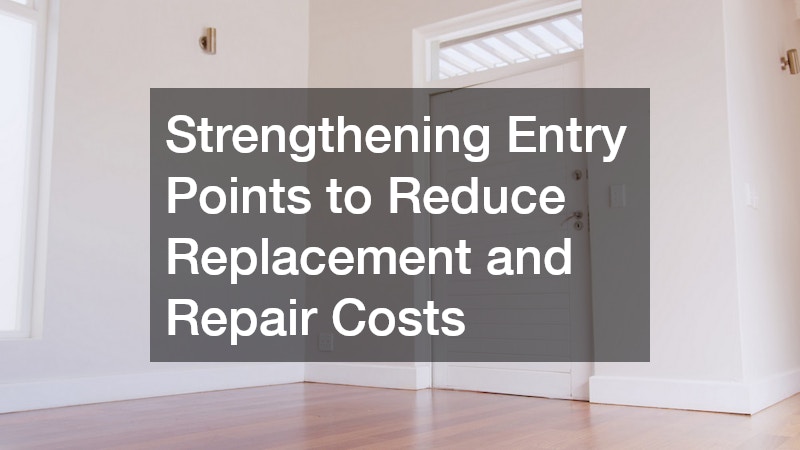
Doors are often overlooked when it comes to long-term savings, yet they play a critical role in both security and energy efficiency. A poorly insulated or worn-out door can let in drafts, increase heating and cooling costs, and require frequent repairs.
Upgrading to commercial steel doors is one way to address all of these concerns at once. These doors are built for durability, meaning they’re less likely to warp, crack, or deteriorate over time. They also provide better insulation, which helps maintain indoor temperatures and reduces the strain on your HVAC system.
Beyond functionality, there’s peace of mind in knowing your home is more secure. A strong entry point doesn’t just protect against break-ins—it also stands up better to weather conditions, which can save you from costly damage during storms.
Another benefit is reduced maintenance. Traditional wood doors may require refinishing or repairs over time, especially in areas with fluctuating humidity. Steel options, by contrast, are designed to withstand these conditions with minimal upkeep.
Choosing quality materials here is less about immediate appearance and more about long-term reliability. It’s an investment that pays off quietly, year after year.
Creating Flexible Storage to Avoid Costly Expansions
Space has a way of disappearing faster than expected. As families grow, hobbies evolve, or work-from-home setups expand, the need for storage becomes more pressing. Without a plan, homeowners often turn to expensive renovations or additions.
In the short term, local storage facilities can offer a practical solution. They provide extra space without the commitment or cost of construction, giving you time to decide how to best use your property.
Long-term, it’s worth thinking creatively about storage within your home. This might mean:
- Converting underutilized areas like basements or attics
- Adding built-in shelving or multi-purpose furniture
- Designing spaces that can change function over time
A simple example is a spare room that doubles as both a guest space and a home office. With the right design, you can avoid building an entirely new addition while still meeting your needs.
The key is flexibility. When your home can adapt to new needs without major renovations, you avoid the high costs that often come with expansion projects.
Building Multi-Use Structures That Grow With Your Needs
Sometimes, the best way to future-proof your home is to think beyond its main structure. Additional buildings can provide space for storage, work, or even income opportunities—all without altering your primary living area.
Working with local barn builders allows you to create structures tailored to your needs. While the name might suggest traditional barns, these buildings can serve a wide range of purposes, from workshops to guest spaces.
Imagine a detached structure that starts as storage but later becomes a home office or rental unit. By designing with versatility in mind, you avoid the need for future construction projects.
Some homeowners even use these structures as creative studios, fitness spaces, or small business hubs. The flexibility they offer can significantly enhance both your lifestyle and your property’s functionality.
A well-planned outbuilding can:
- Increase property value
- Reduce clutter in your main home
- Offer opportunities for additional income
The goal isn’t to build more—it’s to build smarter, with an eye toward how your needs might change over time.
Choosing Durable Interior Materials That Last Longer
Inside the home, it’s easy to underestimate how much frequent replacements can cost. Furniture, fabrics, and finishes that wear out quickly may seem affordable at first, but replacing them repeatedly adds up.
Investing in higher-quality materials changes that equation. For example, feather and down cushions offer both comfort and longevity. They tend to maintain their shape better over time, reducing the need for replacements compared to lower-quality alternatives.
This principle applies throughout the home. Flooring, cabinetry, and fixtures should all be chosen with durability in mind. While the upfront cost may be higher, the reduced need for repairs and replacements often results in significant savings.
It’s also helpful to consider how materials age visually. Some finishes develop character over time, while others show wear more noticeably. Choosing materials that age well can extend the life of your home’s design without requiring frequent updates.
When evaluating materials, ask yourself:
- How long is this likely to last?
- How easy is it to maintain?
- Will it still meet my needs in five or ten years?
These questions help shift the focus from short-term savings to long-term value.
Preparing for Weather and Environmental Challenges
Weather patterns are becoming less predictable, and homes that aren’t prepared can face sudden, expensive damage. Flooding, erosion, and storm impact are all risks that can be reduced with the right planning.
Addressing these concerns often starts outside. Strategic excavating can help manage water flow, preventing it from pooling near your home. Combined with thoughtful landscaping contractor input, you can create a system that naturally directs water away from vulnerable areas.
This might include grading adjustments, drainage channels, or plantings that stabilize soil. The goal is to work with your environment rather than trying to control it entirely.
In areas prone to heavy rain or storms, even small improvements—like extending downspouts or reinforcing slopes—can make a significant difference. These are not always visible upgrades, but they play a crucial role in protecting your home.
Homeowners who take these steps early often avoid the stress and cost of emergency repairs. It’s a quieter form of protection—one that doesn’t draw attention until the moment it’s needed.
Reducing Ongoing Maintenance Through Smarter Choices
Some of the most frustrating home expenses are the ones that repeat. A repair that seems minor once can become a recurring issue if the root cause isn’t addressed.
Proactive decisions can break that cycle. For example, removing a problematic tree through tree removal can eliminate the source of clogged gutters, roof damage, or root interference with plumbing systems.
Similarly, upgrading vulnerable components of your home reduces the likelihood of future repairs. Commercial steel doors, for instance, require less maintenance than traditional materials and are less susceptible to damage.
Another useful approach is to keep a simple maintenance log. Tracking when repairs occur and how often they repeat can help you identify patterns. If the same issue keeps returning, it may be more cost-effective to replace the underlying component entirely.
To stay ahead of maintenance costs, consider adopting a simple routine:
- Inspect key areas of your home annually
- Address small issues before they escalate
- Replace outdated materials with more durable options
These habits create a more stable, predictable cost structure, which is ultimately the goal of future-proofing.
Integrating Systems for Long-Term Cost Efficiency
One of the most effective ways to reduce costs is to think about your home as a connected system rather than a collection of separate parts. Energy, storage, and space planning all influence one another, and small improvements in each area can compound over time.
For example, working with a propane company to optimize your heating system can reduce energy costs, while using local storage facilities strategically can delay or eliminate the need for expensive renovations.
When these decisions are made in isolation, the benefits are limited. But when they’re coordinated, they create a home that runs more efficiently as a whole.
A holistic approach might involve:
- Aligning energy systems with insulation improvements
- Planning storage solutions alongside lifestyle changes
- Coordinating upgrades to minimize disruption and cost
Over time, this interconnected approach creates a home that feels easier to manage. Systems run more smoothly, costs become more predictable, and the need for major interventions decreases.
Moving Forward With Confidence and Long-Term Savings
Future-proofing your home isn’t about predicting every possible change. It’s about creating a foundation that can handle uncertainty without constant intervention or expense.
By focusing on durability, efficiency, and flexibility, you can turn your home into a space that supports you financially instead of draining resources. The steps you take today—no matter how small—can have a lasting impact on how your home performs in the years ahead.
The result is more than just savings. It’s a sense of stability, knowing your home is prepared for whatever comes next.